The Chinese Sun Helmet

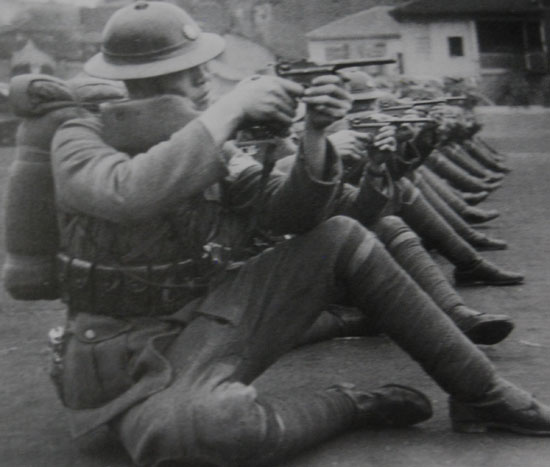
Chinese1Many armies marched into China while wearing sun helmets. This included the European powers that fought in the Boxer Rebellion, the American soldiers that protected U.S. interests in the early 20th century, and notably the Japanese that invaded in 1937.
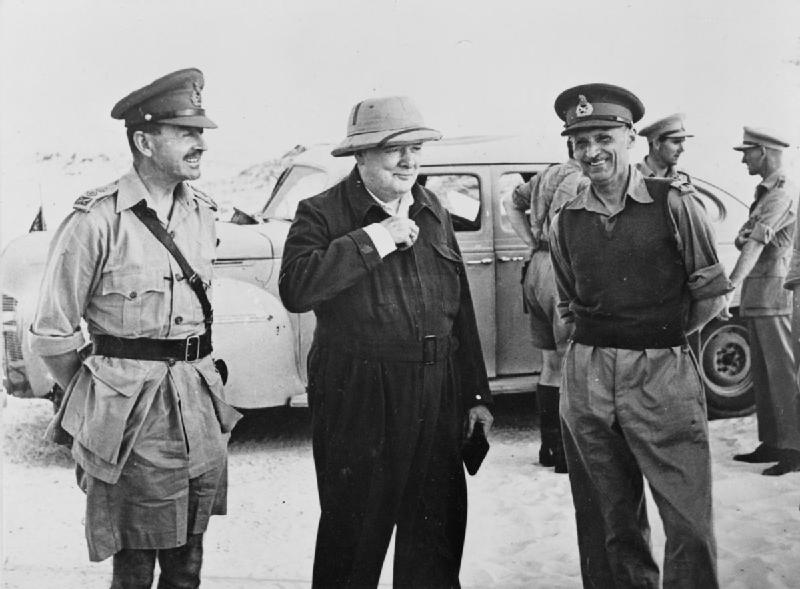
However, the sun helmet was also used by Nationalist forces during the prolonged war with Japan. Continue reading →

Royal Corps of Signals

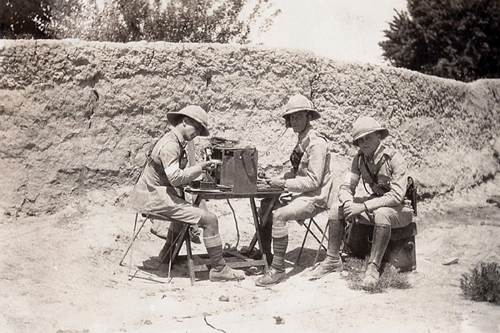
A Royal Corps of Signals (RCS) radio party in Quetta, India 1932. (Photo Peter Suciu)

A Royal Corps of Signals (RCS) radio party in Quetta, India 1932. (Photo Peter Suciu)

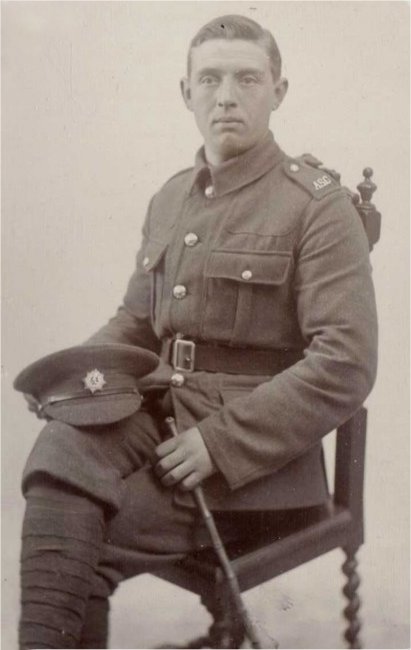
The Royal Corps of Signals was formed in 1920 however prior to that date the Royal Engineers provided a communications system during the Crimean War and the Abyssinian War of 1867 brought further active experience for the telegraphists and signalers of the Royal Engineers. 1

Note the white/blue armband worn by the signalers in the above photograph.

Continue reading →

A Wolseley of the 10th Lincolnshire Battalion “The Grimsby Chums”

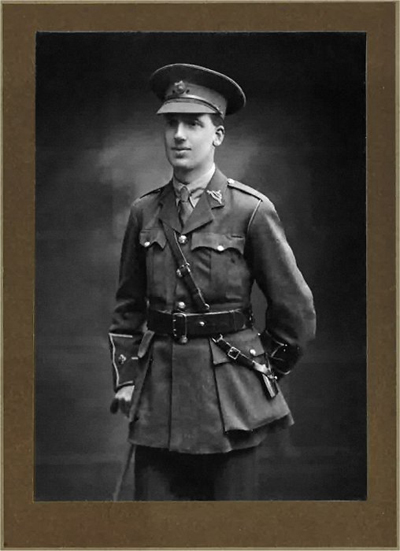
W.D. Wroe as a 2nd Lieutenant. (Photo courtesy of Toby Riley-Smith)

W.D. Wroe as a 2nd Lieutenant. (Photo courtesy of Toby Riley-Smith)

Having recently purchased this Wolseley helmet, I was intrigued as to why it appears to have never been worn. Some initial investigation of the name inside W.D.Wroe, 10th Lincolns, led me to “The Grimsby Chums”, one of the tragically named Territorial “Pals Battalions” so often decimated on the World War One battlefields. Having never been sent to any of the theatres of War in Egypt or Mesopotamia, I wondered why W.D. Wroe would have had a Wolseley Helmet and why it was in such good condition.

Continue reading →

The Canadian Royal Horse Artillery

RCHA2The Canadian military is most remembered for its heroic actions in Italy and Western Europe during the Second World War, but it was still active in every theater of war. More than 1.1 million Canadians served in the Army, Navy and Air Force and its entry into the conflict was the nation’s first independent declaration of war.

During the North African, Middle Eastern and Sicilian campaigns the Canadian army was outfitted in a tropical uniform. Among the more “anachronistic” looking of these was the uniform worn by units of the Royal Canadian Horse Artillery.

Continue reading →

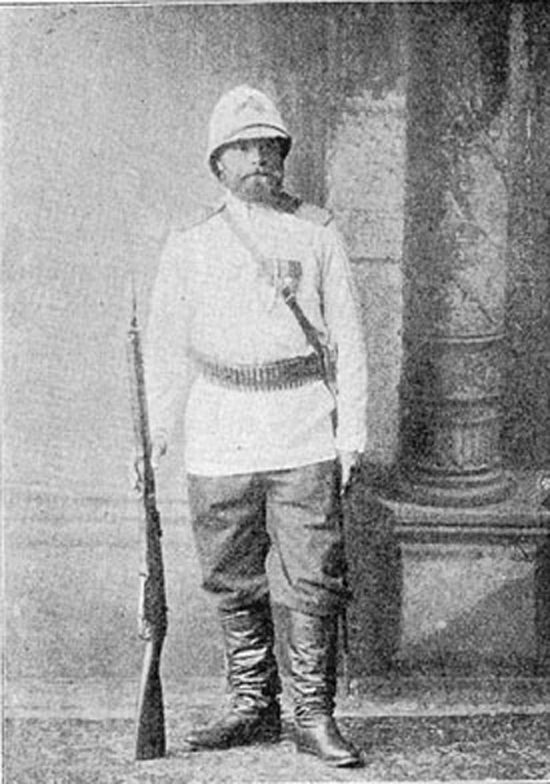
The Russian Colonial Pattern Sun Helmet

Russian

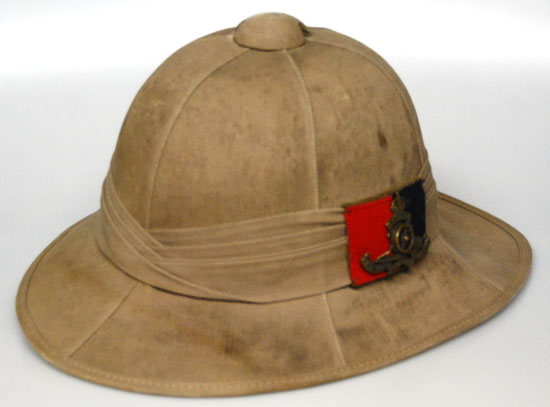
Imperial Russia had one of the largest empires in the world at the end of the 19th century. While the sun most certainly did set on it – it spanned several time zones and stretched from the Baltic and Black Seas to the Pacific. What it did not have was a true overseas colonial empire – with the exception of Alaska!

It is true that the Czar ruled many peoples who spoke different languages and had different customs and cultures. Yet Imperial Russia was different than the rival empires of Great Britain, France, Germany or even Italy. It ruled more land that the latter two but it had no true tropical colonies. While it did send forces to China – and units took part in the Boxer Rebellion (1899-1901) – most of the troops were from the Russian Imperial Navy not actually the Russian Army.

Thus it would seem that the Russians never had a use for a colonial pattern sun helmet. Interestingly the Russians did however use such helmets in small numbers. While the first thought would be that the helmets were used by marine forces traveling with the navy this isn’t accurate. Continue reading →