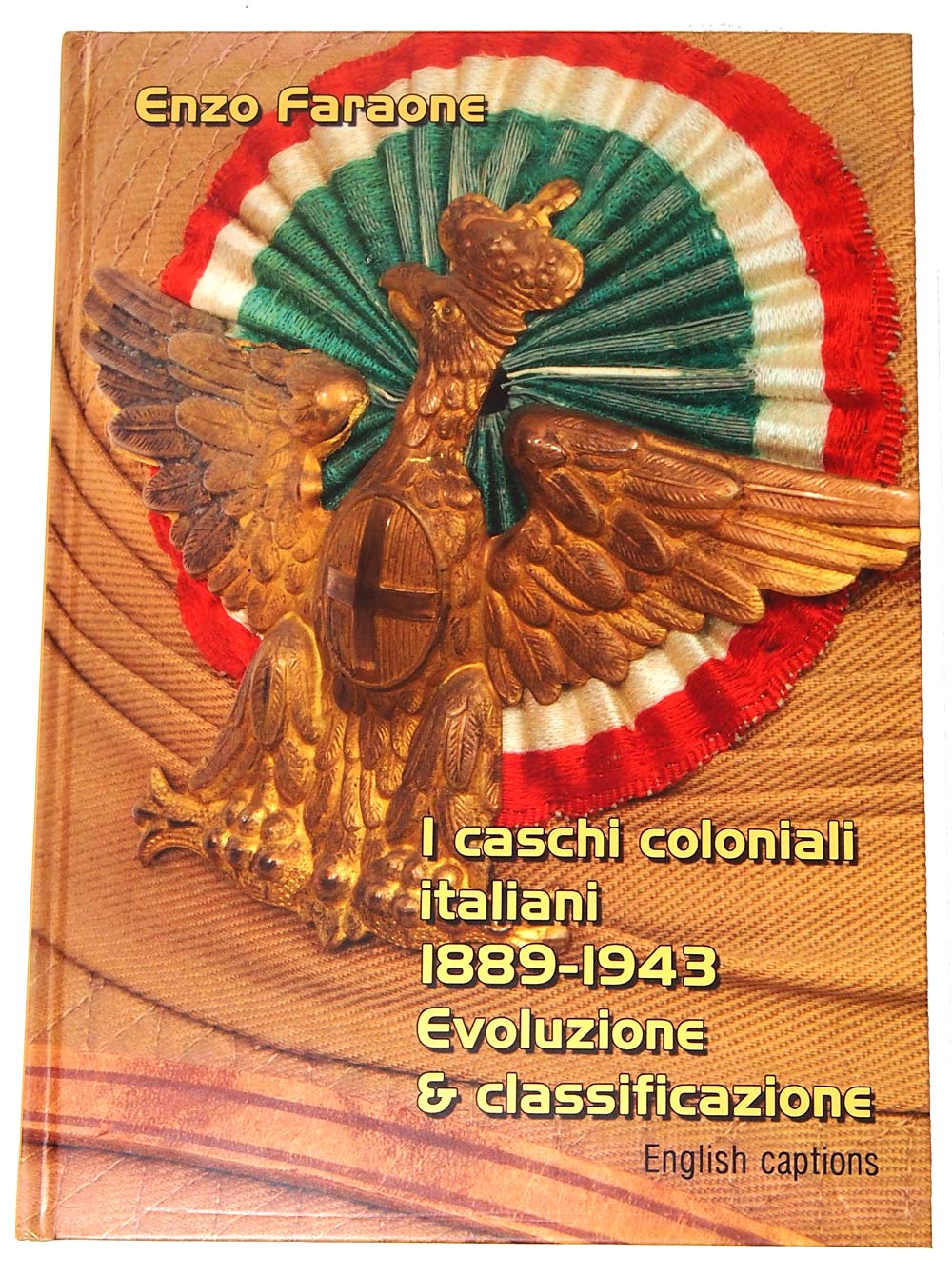
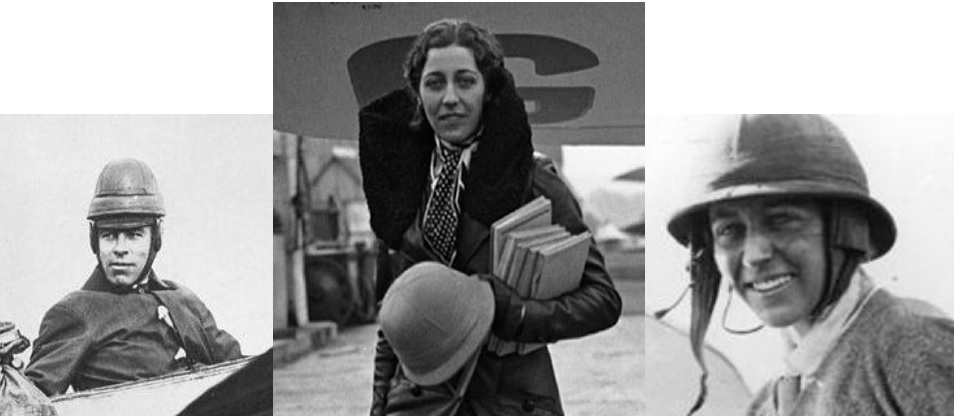
 Discussed here are two types of ‘Flying Sun Helmet’; first, a type of cork crash helmet, which used Colonial Helmet construction methods, but whose primary function was protection from impacts rather than the sun, and secondly a true hybrid sun helmet, whose inception was to protect against the sun whilst flying in exposed cockpits in areas where such hats were traditionally used.
Although the early 1920s to early 1940s ‘Cork Helmet-Aviation’ (a.k.a., ‘RAF Type-A Flying helmet’ or ‘East of Malta Helmet’) is the best known aviator’s sun helmet, with various examples having been covered on this site by Peter Suciu and Roland Gruschka (Refs. 1 & 2), some earlier flying helmets also owe their origins or construction methods to military sun helmets. Continue reading →

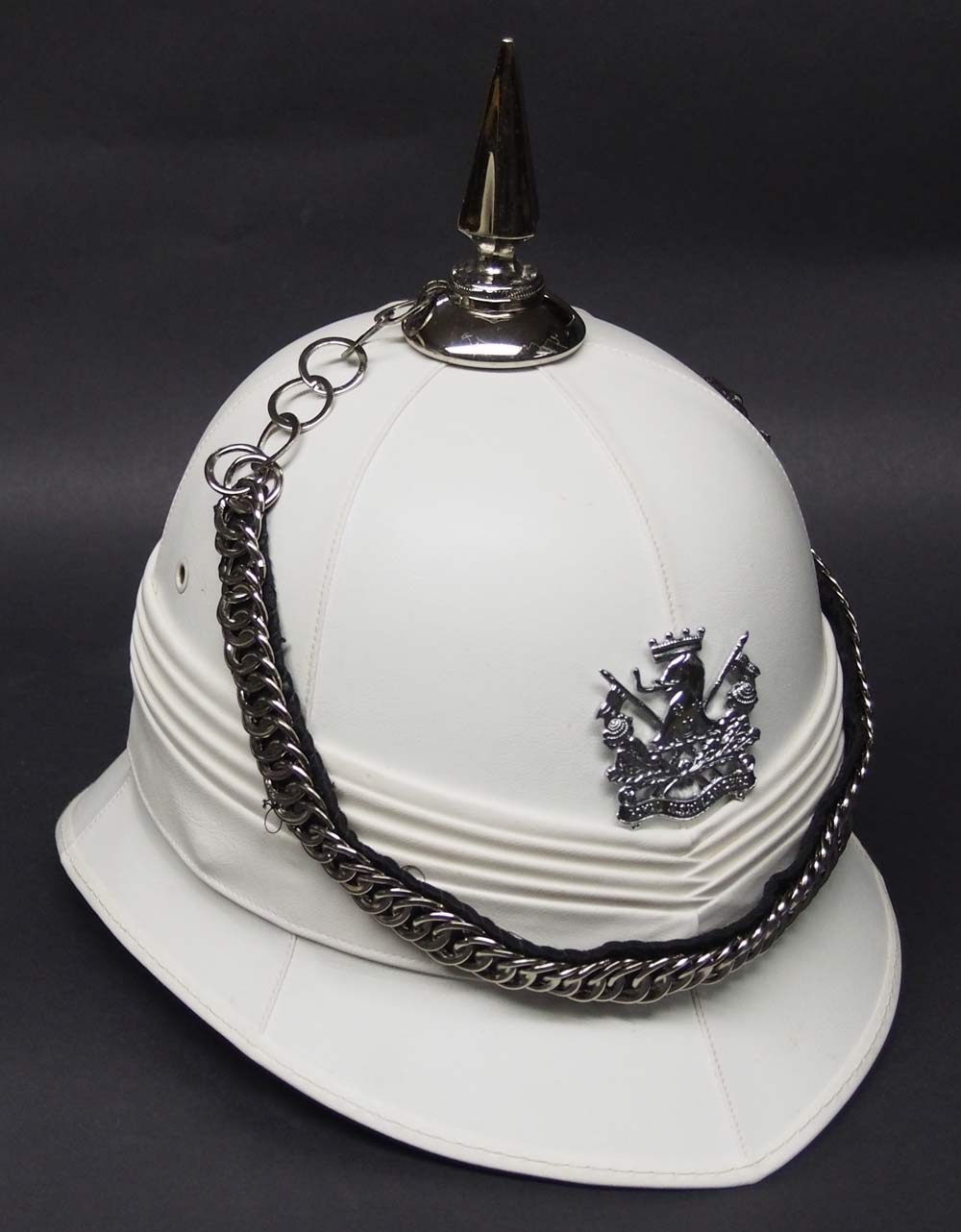
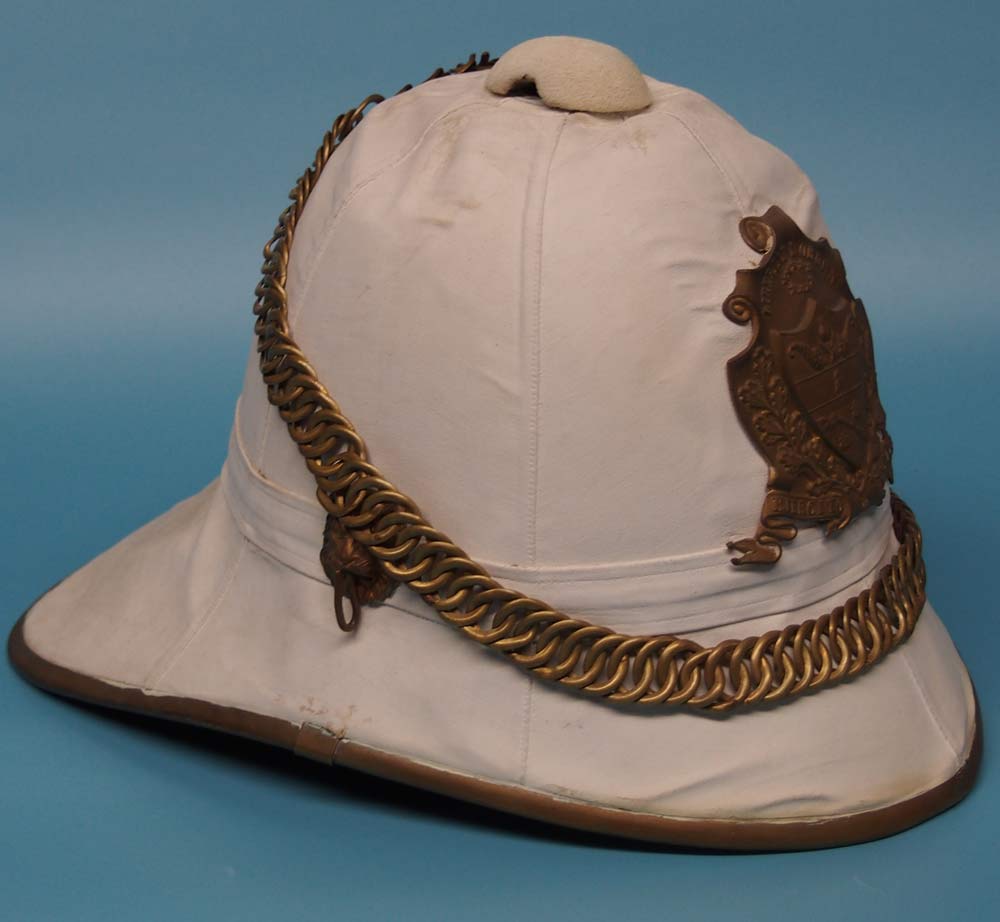
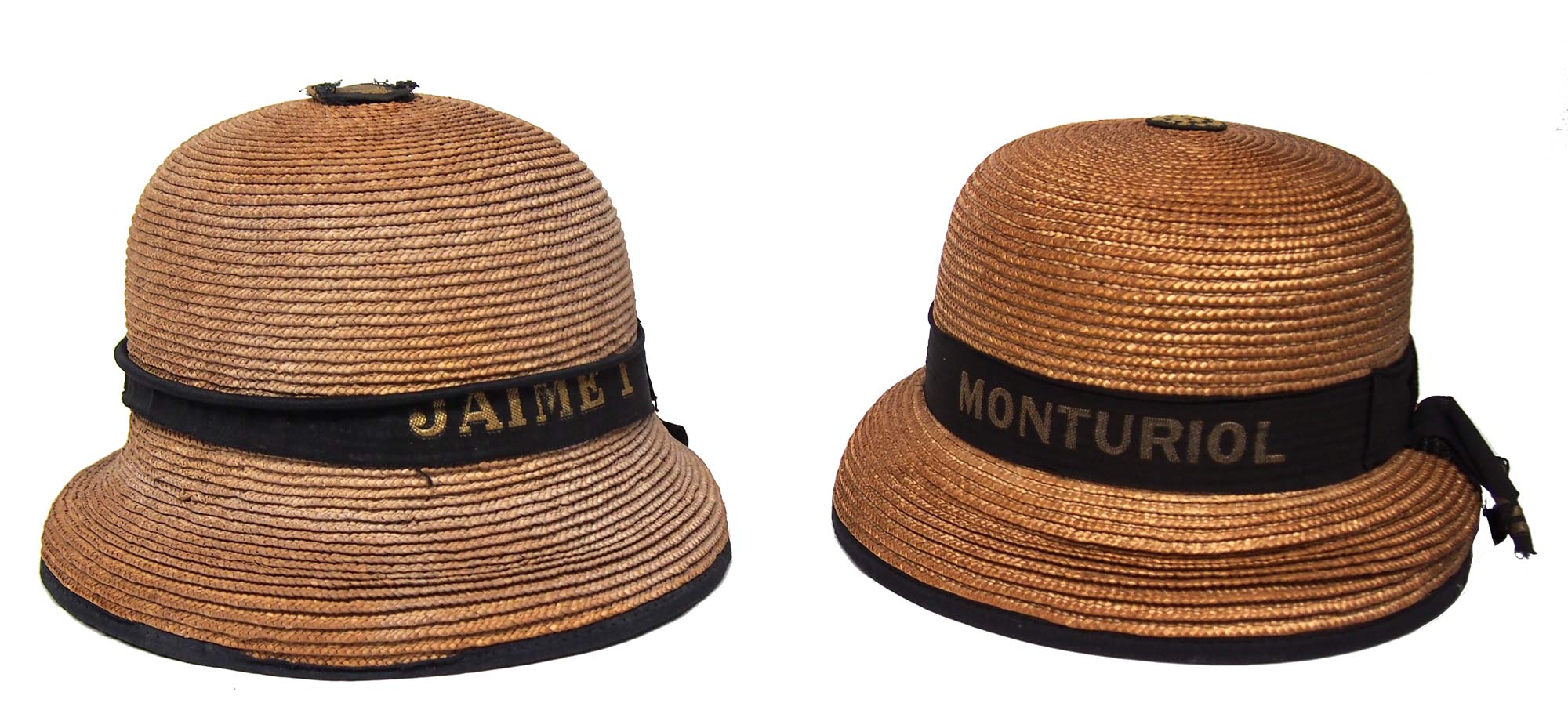 Despite the Spanish defeat during the Spanish-American War, which cost the nation its colonies in Cuba, Puerto Rico and the Philippines the nation continued to maintain a modern army. During the 19th century the Spanish military had worn French-made sun helmets that were in essence copies of the 1886 pattern – but the Spanish also used British made helmets throughout its empire. After the Spanish-American War the Spanish even adopted a helmet that was a copy of the Wolseley pattern.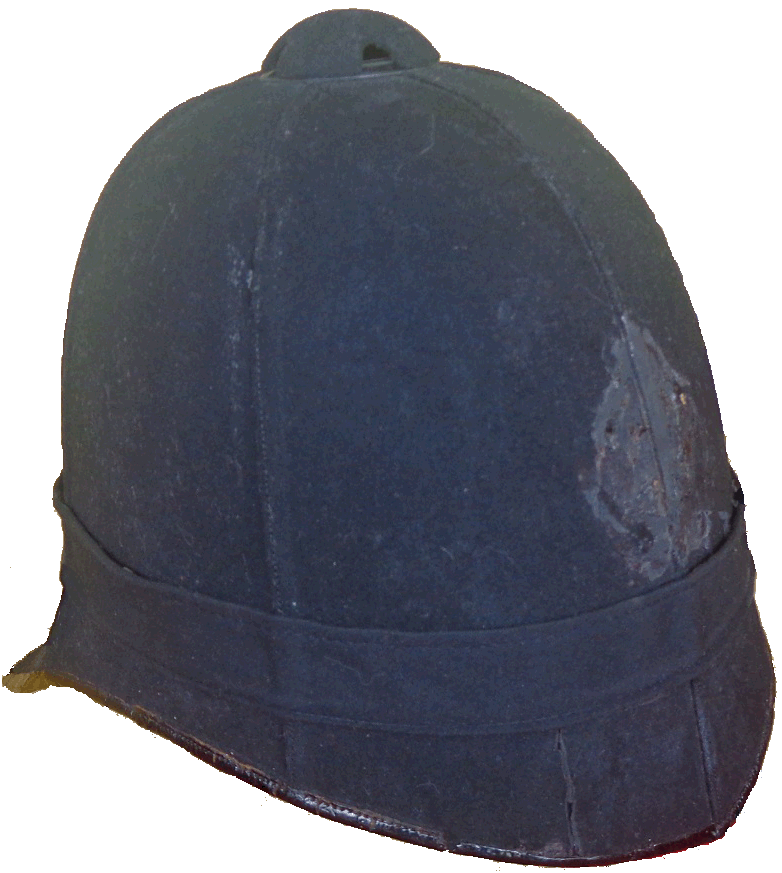
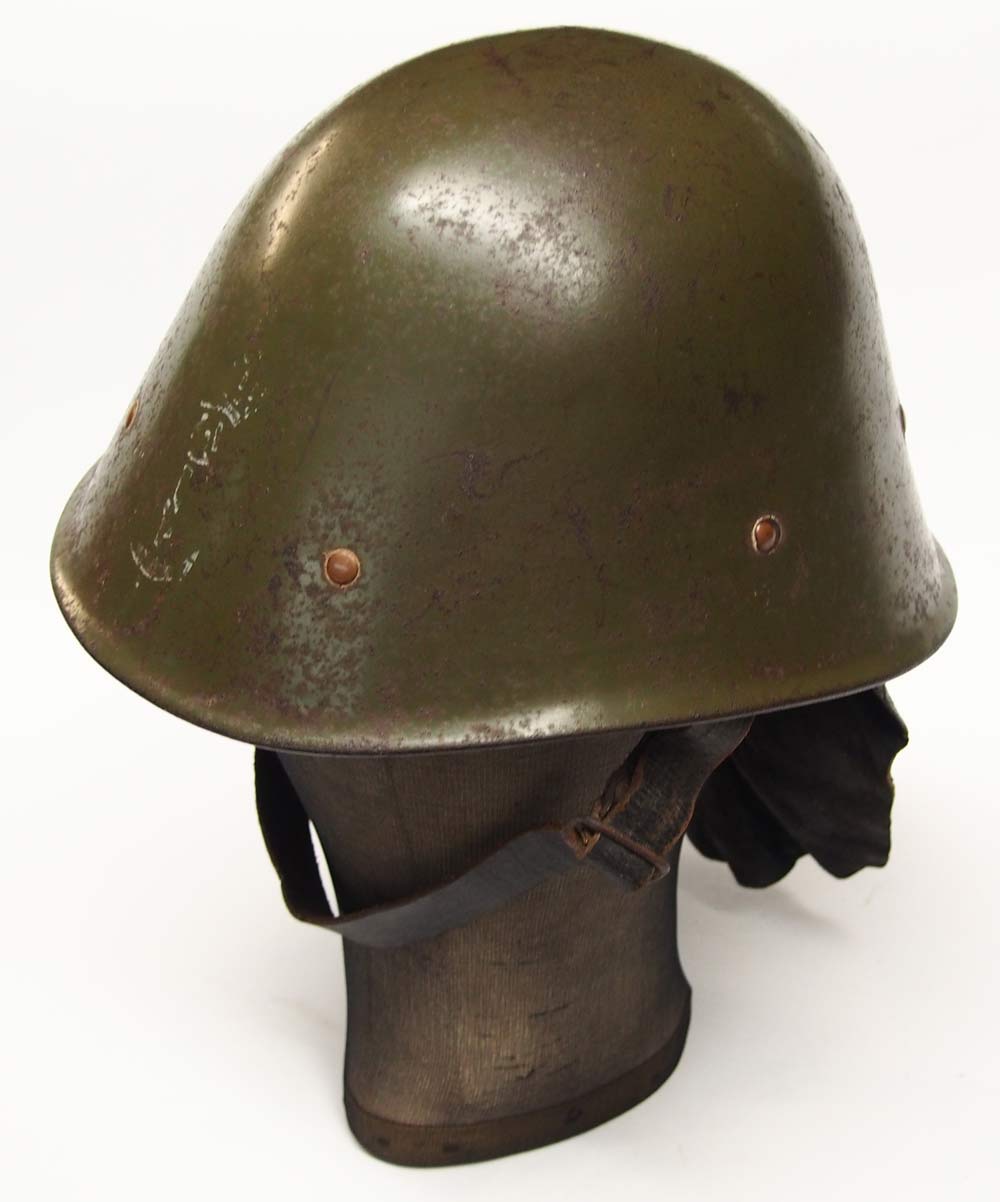 One of the more “unique” tropical helmets of the 20th century was the variation of the Dutch Model 1927 steel helmet. While many steel combat helmets were used in tropical regions during the Second World War, most were the basic helmet simply worn in that theater of operations.